


Seekers Notes: Hidden Objects
4.366.00K Reviews
App Specs
- Version
- 2.79.2
- Updated On
- License
- Free
- Downloads
- 10,000,000+
- Developer
- Mytona
- Categories
- Adventure
- Platform
- Android, iOS
Screenshots
 Analysis by AppCompare
Hey there, fellow mobile game enthusiasts! I’ve recently taken a deep dive into Seekers Notes: Hidden Objects, and I’m excited to share my thoughts with you. This adventure game is a delightful mix of mystery and brain-teasing puzzles, especially if you enjoy searching carefully rather than racing through action. I’ll also say up front that it works best as a game you can pick up for a focused spell, not as a shared household activity where everyone expects to make progress on one account.
A game that suits short, quiet breaks
My most natural use for it is a quiet break: I can settle into a scene, scan for objects, and stop when I’ve had enough. That makes it a reasonable choice for someone who likes visual puzzles on a phone or tablet and enjoys a story as a backdrop. It is less suitable for a quick burst of reflex action; the pleasure comes from looking closely and noticing what blends into the artwork.
In a household, that difference matters. One person might enjoy taking time over a detailed scene, while another may prefer a game that gives everyone a separate round and a clear turn. I would treat this as a personal game first. Passing the device around can be fun for a single puzzle, but it is not the same as having separate progress for each player.
What to decide before sharing a device
If you plan to let someone else use the same phone or tablet, I’d agree on a simple boundary first: whose game is it, and who gets to make choices that affect its progress? That is practical even when people are only taking turns searching. A younger player may tap through a scene or menu quickly, while the regular player may want to read the story and decide how to use available help.
I would also keep purchases in mind. The game is free to download, but it offers optional in-app purchases, with individual items listed from $0.99 to $99.99. That wide range makes it sensible to check the device’s purchase settings before handing it to a child or letting a guest play. I would not assume that sharing a screen means sharing the same preferences about spending or progress.
Taking turns without losing the thread
For a casual shared session, I’d use a simple routine: let one person finish a scene, then pass the device, rather than swapping hands in the middle of a search. Hidden-object scenes reward a steady scan, and frequent interruptions can make it harder to remember which areas you have already checked. If two people are playing together, calling out possible objects can make a scene feel collaborative without turning it into a competition.
There is another useful distinction between playing alongside someone and coordinating with other players. The game includes social elements such as guilds and events, so it can offer a wider sense of community than a solo puzzle game. That is appealing if you like a shared goal, but it is not a substitute for household profiles or a clear way to divide one device’s progress. I’d choose it for cooperative interest in the game, not because I expect it to manage family turns.
Worth Reading Before You Choose

Flipboard Shows What News Apps Must Do Beyond the Feed

Switching to Android Auto Means Rethinking Your Driving Routine

Google Calendar Makes a Crowded Week Easier to Manage

Ludo King Makes the Most of the Minutes Between Plans

Baby Panda World Brings Quick Play to Modern Phones, but Its Game Library Feels Busy

ESPN’s Live Game View Makes Following Close Games Easier
Age, comfort, and trust
The content rating is Everyone 10+, which gives families a helpful starting point when deciding whether it fits a particular player. I would still consider the individual: a child who enjoys careful searching may find the scenes satisfying, while someone who gets frustrated by puzzles or dislikes reading a continuing story may not. The best test is whether the mystery and object-hunting feel inviting rather than like homework.
For a parent, I’d focus less on the rating alone and more on the way the game is used: whether the child is playing independently, whether purchases are enabled on the device, and whether a shared account could lead to arguments over decisions. Those are ordinary household questions, not reasons to avoid the game. I just would not hand over a device without setting expectations about purchases and whose progress is being changed.
So, let’s get into what makes the game engaging, where it can feel demanding, and who I think will enjoy spending time in Darkwood.
Welcome to Darkwood
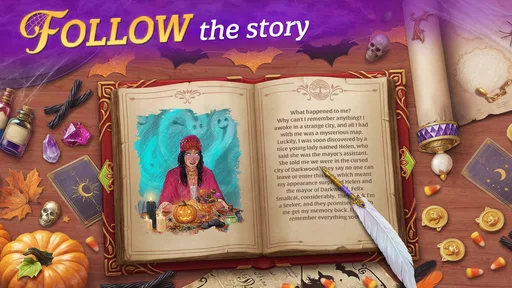
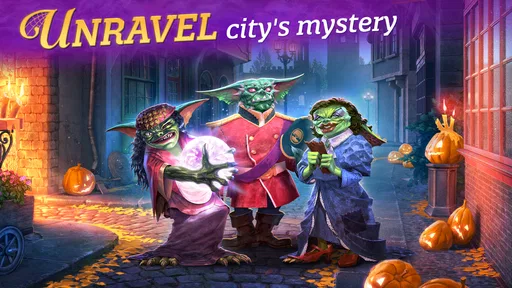
As soon as you launch Seekers Notes, you’re sucked into the enchanting world of Darkwood. The game kicks off with a mysterious curse that has befallen the town, and guess what? You’re the chosen one to break it. No pressure, right? The storyline is pretty engaging, and it kept me hooked from the get-go. You’ll find yourself meeting quirky characters, each with their own secrets and stories, adding layers to the narrative.
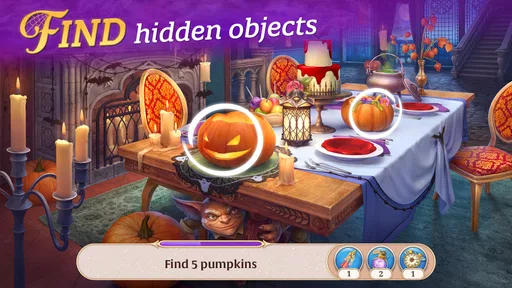
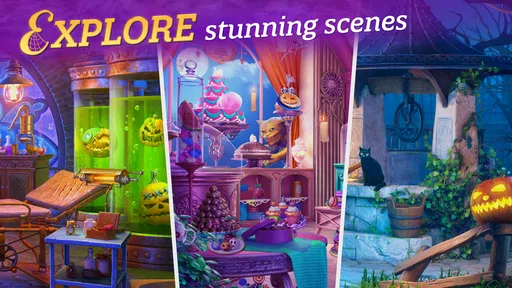
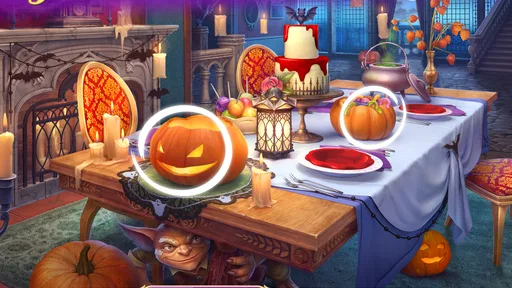
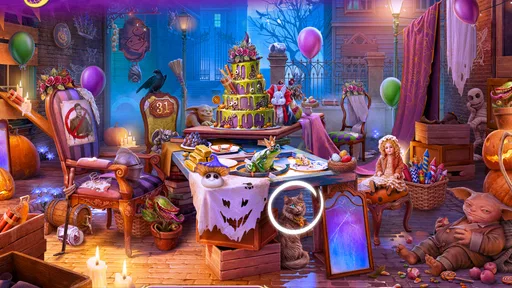
The visuals are nothing short of stunning. The attention to detail in each scene is remarkable, making every location feel alive and brimming with hidden treasures. I must admit, I spent more time than I care to admit just admiring the artwork. It’s like stepping into a beautifully illustrated storybook.
The Gameplay Experience
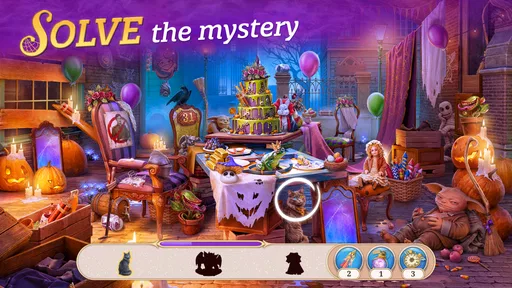
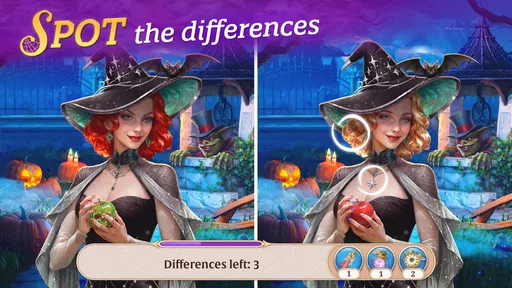
Let’s talk about the gameplay because, honestly, this is where Seekers Notes shines. Your main task is to find hidden objects in various scenes, but there’s so much more to it. The game spices things up with a mix of puzzles, mini-games, and quests that keep the experience fresh and exciting.
One of my favorite features is the variety of puzzles. From matching games to solving riddles, there’s always something new to tackle. Plus, the difficulty level gradually ramps up, so you’re constantly challenged. And if you ever get stuck, there are hints available to nudge you in the right direction. Trust me, you’ll appreciate those hints more than once!
How I approach the harder scenes
When a scene starts feeling difficult, I try not to spend hints just because I have paused on one stubborn object. I scan the whole image in a consistent pattern, moving from one area to another, and only then reconsider the hint. That small habit makes the search feel less random and helps me avoid repeatedly checking the same obvious corners. It is especially useful when the artwork is busy, because an object can blend into the setting rather than stand out like a clean icon.
The trade-off is that a careful approach takes patience. If you mainly want a fast puzzle with an immediate result, the searching can feel slow, and a hint may be tempting when you would rather move on. I see the hints as a way to keep a session from becoming frustrating, not as a reason to rush through every challenge. I’d save them for a genuine dead end and enjoy the visual search when I have time.
Social and Competitive Elements
Feeling competitive? You’ll love the social features in Seekers Notes. You can join guilds, participate in events, and even compete against other players. It’s a great way to connect with fellow seekers and show off your detective skills. The community aspect adds a layer of fun, making you feel like part of a bigger adventure.
The game also rewards you for your progress with various collectibles and achievements. It’s a neat way to keep you motivated and coming back for more. And let’s be real, who doesn’t love bragging rights?
Where it sits among puzzle games
Compared with a traditional crossword or a compact logic puzzle, this is more about visual attention and atmosphere than working through a single problem on paper. Compared with a straightforward hidden-object game, the added story, quests, mini-games, and social elements give me more reasons to return. That breadth is a strength if I want variety around the object searches; it can also make the experience feel busier than a simple game I can finish in one sitting.
I’d recommend it to someone who likes exploring detailed scenes and is happy to follow a continuing adventure. I’d point a player who wants pure logic, no narrative, or completely self-contained rounds toward a simpler puzzle instead. Likewise, if you dislike games that encourage repeated visits or optional spending, a one-time, fixed-format game may suit you better.
Monetization and Accessibility
Now, let’s address the elephant in the room: monetization. Seekers Notes is free to download, but it does have in-app purchases. You can buy boosters, energy, or even special items to enhance your gameplay. While you can enjoy the game without spending a dime, the option is there if you’re looking to accelerate your progress or skip some of the grind.
My practical advice is to decide your own spending boundary before you play, rather than making that choice when you are stuck or eager to continue. The game can be enjoyed without paying, but optional purchases may appeal if you want to move faster. For shared devices, I’d make sure the person playing understands that free access and optional purchases are not the same thing.
As for accessibility, the game is available on both iOS and Android, so no worries about missing out regardless of your device. It runs smoothly, and I didn’t encounter any major bugs or crashes during my playthrough, which is always a plus.
Who should make room for it?
My clearest recommendation is for people who enjoy observation games, illustrated settings, and a story they can revisit in short sessions. It also makes sense for a household where one person is the main player and others occasionally join in by suggesting where to look. That keeps the shared part fun without assuming that everyone wants the same pace or the same control over progress.
I would skip it if you need a game built around separate household accounts, if you want a complete experience with no optional purchases, or if slow visual searching is not your kind of challenge. Someone seeking a quick competitive match may also be happier with a game designed around short, clearly divided rounds. The right choice depends on whether Darkwood’s atmosphere and searching are the draw or whether you mainly want a fast, self-contained puzzle.
Final Thoughts
In conclusion, Seekers Notes: Hidden Objects is a captivating mix of mystery and puzzle-solving that’s sure to keep you entertained for hours. The combination of a gripping storyline, stunning visuals, and challenging gameplay makes it a must-try for any hidden object aficionado.
Whether you’re a seasoned puzzle solver or a casual gamer looking for something new, this app offers a little bit of everything. So, why not give it a shot? Dive into the world of Darkwood and start uncovering its secrets today!
My final household verdict is that I’d happily recommend it for a patient player who likes to explore at their own pace, with a few ground rules if a device is shared. My experience fits the broad appeal it has built: the game has a 4.3 average from around 582,000 ratings and over 10 million installs. Mytona’s adventure game first arrived in December 2015, and version 2.72.3 is listed for devices running Android 7.0 or later. It is free, carries an Everyone 10+ rating, and has optional purchases, so it is worth checking device compatibility and household purchase settings before settling in. For me, the best reason to try it is the combination of detailed searching and a continuing mystery; the main reason to choose something else is wanting a simpler, faster puzzle with fewer layers around the search.
Pros
- Engaging storyline enhances gameplay.
- Beautiful graphics with intricate details.
- Frequent updates with new content.
- Challenging puzzles keep you hooked.
- Social features to connect with friends.
Cons
- Energy system limits playtime.
- Can be overwhelming for new players.
- In-app purchases can be pricey.
- Requires stable internet connection.
- Ads can be intrusive at times.
FAQs for Seekers Notes: Hidden Objects
What is the main objective of Seekers Notes: Hidden Objects?
Seekers Notes: Hidden Objects is a captivating adventure game where players explore the mysterious city of Darkwood. The main objective is to solve puzzles and uncover hidden objects to progress through the storyline. Players take on the role of the Seeker, tasked with lifting the curse that has shrouded the town in darkness.
Is Seekers Notes free to play, or are there in-app purchases?
Seekers Notes is free to download and play, but it does offer in-app purchases. These purchases can enhance gameplay by providing additional resources or unlocking special items. While not necessary to complete the game, they can enrich the experience for players who wish to progress more quickly or access exclusive content.
Can I play Seekers Notes offline, or do I need an internet connection?
Seekers Notes requires an internet connection to download updates and access certain features. While some parts of the game can be played offline, a connection ensures a smoother experience and allows players to participate in special events and updates that enhance gameplay and provide new content.
What platforms is Seekers Notes available on?
Seekers Notes is available on both Android and iOS platforms. It can be downloaded from the Google Play Store for Android devices and the Apple App Store for iOS devices. The game is optimized for mobile play, offering an engaging experience on smartphones and tablets alike.
Are there any age restrictions for playing Seekers Notes?
Seekers Notes is rated for players aged 12 and up. The game includes mild fantasy violence and complex puzzles that may be challenging for younger players. Parents may want to review the content to ensure it aligns with their expectations and the player's maturity level.


